BLOG
ALL POSTS

As communities face rising debts and rising seas, pressure from people-powered movements has put global financial architecture reform on the multilateral agenda for the first time in decades. This is desperately needed, as our current international monetary, trade, tax, and debt rules are limiting how much funding is available for climate action.

The wheels of oppression have turned again. We have known for a while that Vietnam has been systematically silencing its environmental critics under false pretenses.
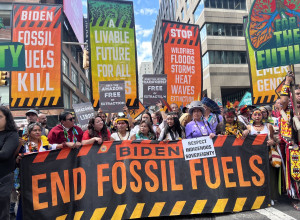
"Sacrificing millions of acres in the Gulf of Mexico for oil and gas extraction is a gross denial of reality by Joe Biden in the face of climate catastrophe," said Collin Rees.

Barely is the ink dry on the IEA’s report which called for no new oil and gas development, and yet today, the UK Government gave the go-ahead to the huge Rosebank oil field, which is seen as the UK’s last untapped oil field.

The turnout wildly exceeded expectations, proof that this summer's record heat, mega floods, and severe weather are putting the climate crisis, and the fight against fossil fuels, at the forefront of peoples' minds. The turnout was global.

Last week, some 30,000 delegates and 25 African heads of state, as well as the European Commission President, UN Secretary-General and US Special Envoy on Climate, gathered in Nairobi for the inaugural Africa Climate Summit.

Rich countries have continued to approve USD 4.4 billion in international public finance despite committing to end this support by the end of 2022. Six countries including the United States, Germany, Italy and Japan have at least 26 fossil fuel projects awaiting approvals, with Germany having the biggest number of projects pending.

After the heat comes the floods. A northern hemisphere summer, which has upended climate models and redefined extreme weather on land and seas, continues to set nearly daily records.

If one oil company is synonymous with funding decades of climate denial, it is Exxon. For decades, the oil giant copied the deadly playbook of Big Tobacco of sowing doubt about the evidence and delaying action.

US main street banks like Wells Fargo and Bank of America have provided loans to Mountain Valley Pipeline since the beginning. These banks have continued pouring money into the project over recent years, despite numerous warnings that the project has been financially unsustainable, a threat to the climate and environmental justice communities in Appalachia.